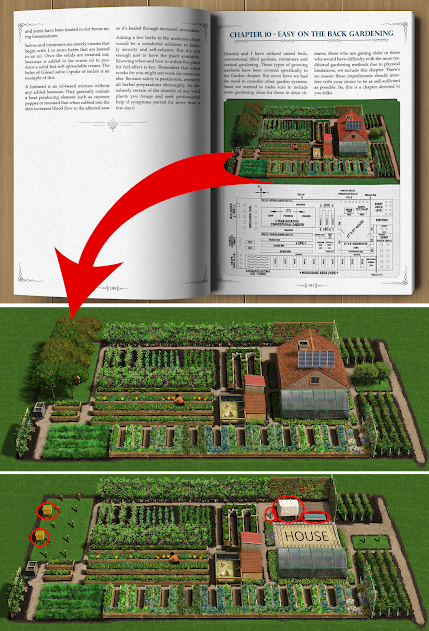
The Self-Sufficient Backyard Review: A Practical Guide to Sustainable Living
In a time when rising costs, supply chain disruptions, and environmental concerns are pushing more people toward self-reliance, The Self-Sufficient Backyard by Ron and Johanna Melchiore arrives as a timely and practical solution.
Built on over 40 years of real off-grid living experience, this guide shows everyday people how to turn ordinary backyards into productive, self-sustaining ecosystems. Whether you live on a quarter-acre lot or have more space to work with, the book focuses on realistic systems that actually work in the real world.
This Self-Sufficient Backyard review takes a closer look at what the guide offers, who it’s for, and whether it’s worth your investment.
Overview of The Self-Sufficient Backyard
The Self-Sufficient Backyard is a comprehensive manual covering all the essential pillars of sustainable living, including:
- Growing your own food year-round
- Collecting and managing water
- Generating renewable energy
- Creating natural remedies
- Managing waste efficiently
The guide includes 100+ DIY projects designed to be modular, meaning you can start small and expand as your confidence grows. It’s written in clear, practical language, making it suitable for both beginners and experienced homesteaders.
The Self-Sufficient Backyard Review
What Is The Self-Sufficient Backyard Really About?
At its core, The Self-Sufficient Backyard is a blueprint for independence.
Rather than promoting extreme off-grid living, the authors show how anyone can reduce reliance on grocery stores, utility companies, and external systems—even with limited space and resources.
Ron and Johanna Melchiore share proven strategies they’ve used themselves, demonstrating that self-sufficiency is achievable on as little as a quarter-acre of land through smart planning and efficient systems.
👉 To see exactly what’s included and check current availability, visit the official website here.
Key Features and Benefits
1. Food Production Made Practical
The guide provides detailed instructions on:
- Growing high-yield crops
- Companion planting and polyculture systems
- Building raised beds, greenhouses, and root cellars
These methods are designed to maximize food output while minimizing space and effort.
2. Water Collection and Management
You’ll learn how to:
- Harvest rainwater
- Set up drip irrigation
- Filter and store water safely
These systems help reduce dependence on municipal water and prepare you for shortages.
3. Renewable Energy Solutions
The book outlines hybrid systems that combine solar and wind energy, helping homeowners reduce electricity bills and increase energy independence without complex setups.
4. Medicinal Gardening and Natural Remedies
A dedicated section covers:
- Growing medicinal herbs
- Creating natural remedies for common ailments
This adds another layer of resilience by reducing reliance on pharmacies.
5. Waste Management and Composting
The guide explains composting and vermiculture techniques that turn waste into nutrient-rich soil, completing a closed-loop sustainability system.
How The Self-Sufficient Backyard Works
The book is structured as a modular, step-by-step guide. Each project includes:
- Clear instructions
- Materials lists
- Visual illustrations
You’re encouraged to start with simple projects—like raised beds or rainwater collection—and gradually build toward more advanced systems.
This flexible approach makes the journey toward self-sufficiency far less overwhelming.
My Experience Using The Self-Sufficient Backyard
Using The Self-Sufficient Backyard felt practical and empowering rather than theoretical. The real-life examples and straightforward explanations made even complex systems feel achievable.
After applying several of the strategies, noticeable benefits included:
- Lower grocery expenses
- Reduced utility bills
- Greater food security
The guide succeeds in making sustainable living feel doable, not intimidating.
Bonuses and Additional Resources
Depending on availability, buyers may receive bonus materials such as:
- An Aquaponic Gardening Guide
- DIY projects inspired by early 1900s self-reliance methods
- A map highlighting free land opportunities in the U.S.
These extras add depth and expand the practical value of the main guide.
👉 You can check current bonuses and full details on the official website here.
Pros and Cons
Pros
- Covers all major areas of self-sufficient living
- Easy-to-follow, step-by-step instructions
- Adaptable to different climates and property sizes
- Written by experienced off-grid practitioners
Cons
- Some projects require upfront material costs
- Certain techniques may need adjustment for local climates
Overall, the advantages strongly outweigh the limitations.
Who Is This Guide Best For?
The Self-Sufficient Backyard is ideal for:
- Aspiring homesteaders
- Urban and suburban gardeners
- Environmental and sustainability advocates
- Preppers and survival-minded individuals
- Anyone seeking long-term cost savings and independence
Price, Value, and Final Evaluation
Considering the breadth of information and practical applications, The Self-Sufficient Backyard is competitively priced. When compared to ongoing grocery, water, and energy costs, the guide can pay for itself many times over.
Final Verdict
The Self-Sufficient Backyard stands out as a must-have resource for anyone serious about sustainability and self-reliance.
Ron and Johanna Melchiore remove the mystery from homesteading and show that independence isn’t extreme—it’s practical, achievable, and empowering.
Whether you’re just starting out or looking to deepen your self-sufficient lifestyle, this guide offers the knowledge and confidence to take meaningful action.
Highly recommended for anyone ready to take control of their resources and future.
Affiliate Disclaimer
The links contained in this product review may result in a small comsion if you opt in to purchase the product recommended at no aditional cost to you .This goes towards supporting our research and editorial team and please know we only recommend high quality products